
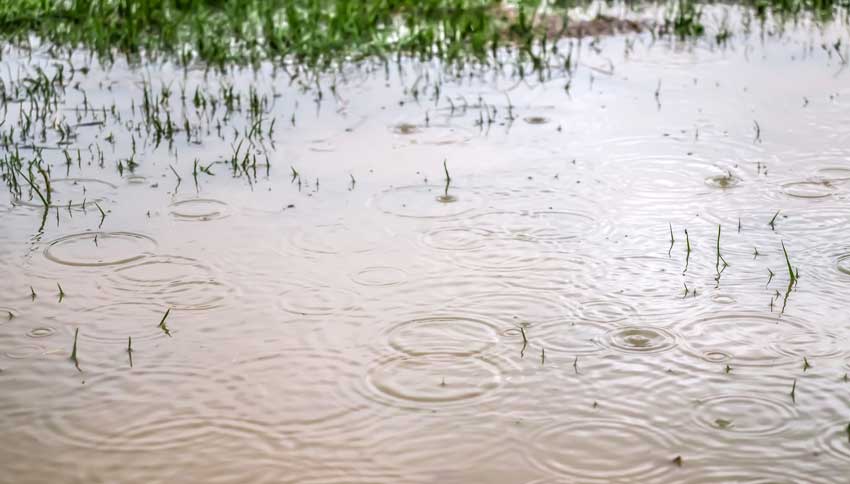
Heavy rain can have a major impact on septic systems — especially during long stretches of wet weather in our region. While your septic system is designed to handle normal household wastewater, excessive rainfall can overwhelm the ground around your tank and drain field, making it much harder for the system to function properly.
When the soil becomes saturated, wastewater has nowhere to go. That can lead to slow drains, unpleasant odors, standing water, or even sewage backing up into the home in severe cases.
Here are a few common signs your septic system may be struggling after heavy rain:
- Slow draining sinks, tubs, or toilets
- Gurgling sounds in plumbing
- Wet or soggy spots near the drain field
- Strong sewage odors outdoors
- Toilets that flush inconsistently
- Water pooling around the septic tank area
One of the biggest issues during prolonged wet weather is drain field saturation. Your drain field relies on dry, absorbent soil to naturally filter and disperse wastewater. After days of steady rain, the ground can become overloaded, reducing the system’s ability to process water efficiently.
That’s why it’s important to be especially mindful of water usage during heavy rain periods. Simple adjustments can help reduce stress on the system, including:
- Spacing out laundry loads
- Avoiding excessive long showers
- Fixing leaking faucets or toilets
- Limiting unnecessary water use temporarily
It’s also important to remember that heavy rain does not usually “cause” septic problems by itself. In many cases, it exposes underlying issues that were already developing — such as an overdue tank pumping, aging components, or a struggling drain field.
Routine maintenance is one of the best ways to protect your system year-round. Having your septic tank inspected and pumped on schedule helps ensure your system is prepared to handle seasonal weather changes before problems develop.
Another important tip: never drive or park heavy vehicles on your drain field, especially during wet conditions. Compacted soil can reduce drainage and create long-term damage to the system.
If you notice warning signs after heavy rainfall, don’t ignore them. Catching a problem early is usually far less expensive — and far less stressful — than dealing with a full septic backup later.
At Little’s Septic, we help homeowners keep their septic systems operating properly through every season. Whether you need routine pumping, maintenance, or help diagnosing a problem, our team is here to help.