
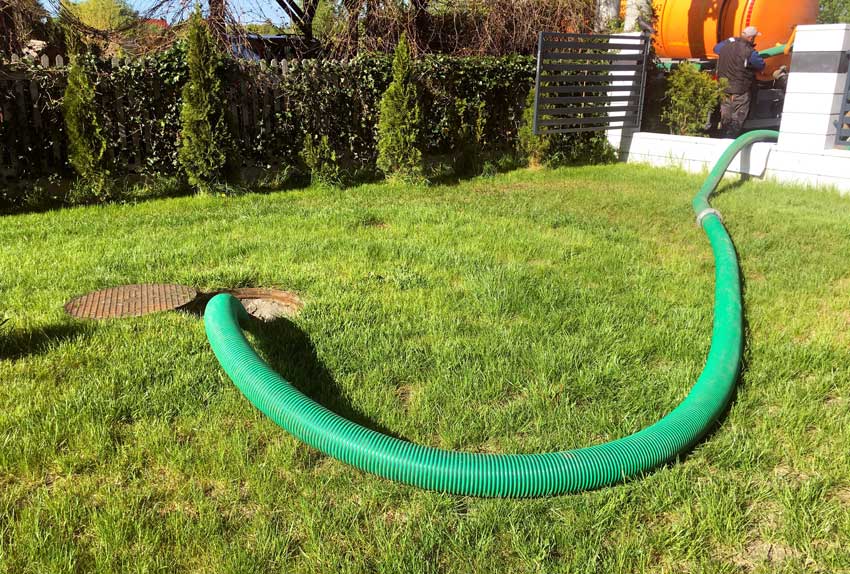
Your septic system is designed to handle daily use without much attention—but it doesn’t last forever without maintenance. Over time, solid waste builds up in the tank, and if it isn’t pumped out, problems can start to surface.
The key is catching the signs early before they turn into costly repairs.
Here are three common indicators that your septic tank may be due for pumping.
1. Slow drains throughout the house
A single slow drain might just be a clog—but when multiple drains start slowing down at the same time, it can point to a fuller septic tank.
You may notice:
- Sinks taking longer to empty
- Showers or tubs draining slowly
- Toilets not flushing as efficiently
When the tank is near capacity, wastewater doesn’t move through the system as easily.
2. Unpleasant odors around your property
A properly functioning septic system shouldn’t produce noticeable odors. If you’re starting to smell sewage near your yard, tank, or drains, it’s often a sign something isn’t right.
This can happen when:
- The tank is too full
- Gases are escaping due to buildup
- Wastewater isn’t moving properly through the system
Odors are often one of the first warning signs that service is needed.
3. Wet or soggy areas near the drain field
If parts of your yard seem unusually wet—especially in dry weather—it could be related to your septic system.
Watch for:
- Standing water near the drain field
- Grass that’s greener or growing faster in one area
- Soft, muddy ground where it shouldn’t be
This can indicate that the system is overloaded and not dispersing water correctly.
Don’t wait until it becomes a bigger problem
A full septic tank doesn’t fix itself—and the longer it’s ignored, the more risk you run of backups, property damage, and expensive repairs.
Routine pumping is a simple, preventative step that keeps your system running efficiently and protects your property long-term.
If you’re noticing any of these signs, it may be time to have your system checked and serviced.