

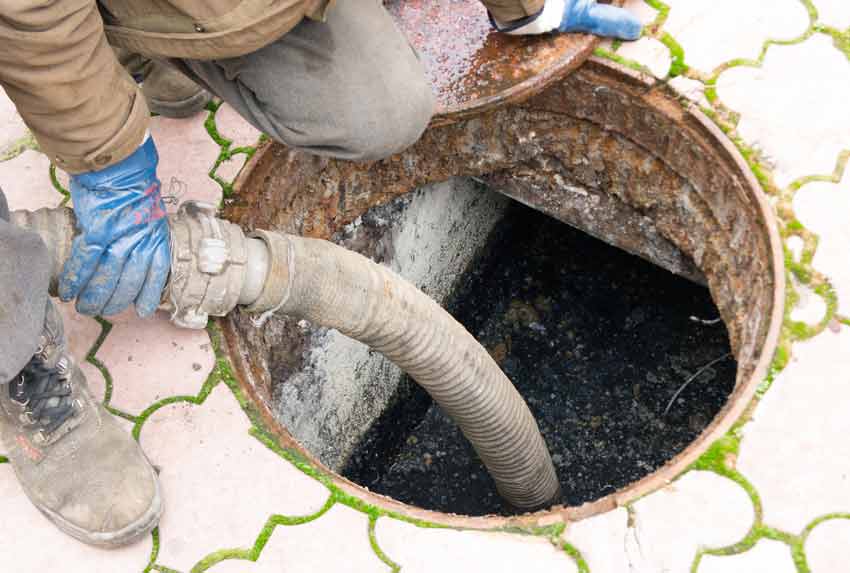
If you’re like most homeowners, you rarely think about your septic system — until something goes wrong. But the truth is, septic maintenance isn’t just about avoiding a messy backup; it’s also one of the smartest ways to protect your home, your property value, and your wallet.
What happens when a septic tank isn’t pumped?
Your septic tank works by separating solids from liquids. Over time, those solids (called sludge) build up. When the tank isn’t pumped regularly, that sludge can escape into the drainfield, clog soil pores, reduce absorption, and ultimately cause system failure. At that point, simple maintenance turns into a costly repair or full replacement.
How often should my septic tank be pumped?
Many homeowners ask, “How often should I pump my tank?” In most cases, every 3–5 years is ideal.
But the real frequency depends on:
- Household size
- Tank capacity
- Water usage habits
- Garbage disposal use
A family of five obviously fills a tank much faster than a household of one.
Why pumping saves you money
Regular pumping also allows professionals to inspect the tank for early warning signs of trouble — issues that are inexpensive to fix today but expensive if ignored.
Failing to pump can lead to:
- Drainfield failure
- Sewage backups inside your home
- Foul yard odors
- Full system replacement
Let’s face it — septic failures are a nightmare. You lose plumbing use, the yard suffers, and cleanup can be expensive. Yet most of those failures began with simple neglect.
A small investment that prevents big problems
Pumping your system on a schedule is one of the lowest-cost ways to protect your property. It’s one of those rare home maintenance tasks that truly pays for itself by helping you avoid major repairs later.
If you can’t remember the last time your septic tank was pumped, you’re not alone — many homeowners wait too long. A quick call and routine pumping service can save money, protect your property, and keep things flowing smoothly where it matters most.