

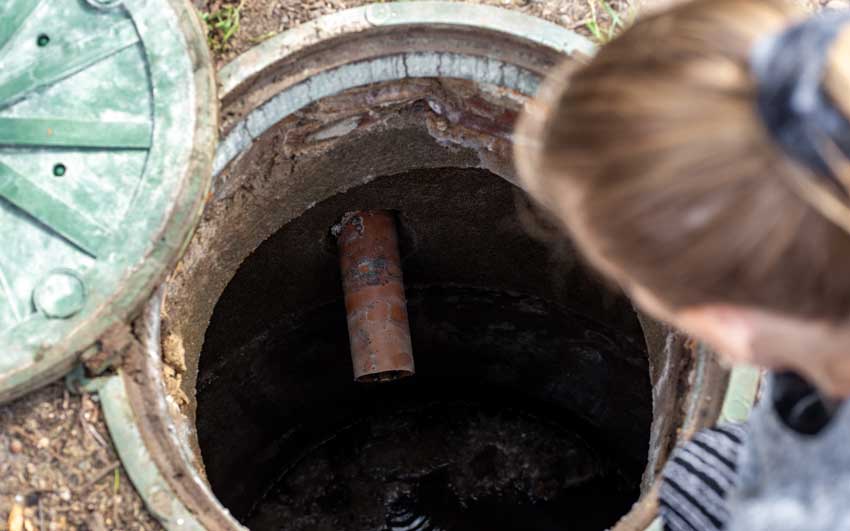
Most homeowners don’t think much about their septic system until something goes wrong. Unfortunately, by the time sewage backs up into the house or the yard becomes soggy and smelly, the problem has already become expensive and unpleasant.
The good news is that septic systems usually give off warning signs before a major failure occurs. Knowing what to watch for can help you schedule a routine pumping and avoid costly repairs.
Here are seven common signs that your septic tank may be getting full.
1. Slow drains throughout the house
If sinks, tubs, and showers all seem to be draining slower than usual, it may not just be a simple clog. When multiple drains in the home are slow at the same time, it can indicate that the septic tank is reaching capacity.
2. Gurgling sounds in the plumbing
Strange gurgling noises coming from your pipes or toilet can signal that air is trapped in the plumbing system. This sometimes happens when wastewater is struggling to move through a nearly full septic tank.
3. Sewage odors around your home
One of the most noticeable warning signs is a strong sewage smell either inside your home or outside near the tank or drain field. If you begin to notice persistent odors, your septic system may need attention.
4. Water pooling in the yard
Wet or soggy spots around your yard—especially near the drain field—can indicate that wastewater is not being properly absorbed into the soil. A full septic tank can cause liquid to surface in these areas.
5. Unusually green grass
While lush grass may look nice, extra green or fast-growing grass above the drain field can actually signal a septic problem. Wastewater nutrients may be reaching the surface when the tank is overloaded.
6. Toilets needing multiple flushes
If toilets seem sluggish or require multiple flushes to clear properly, it may mean the septic system is struggling to keep up with normal household use.
7. It’s been several years since your last pumping
Even if you’re not noticing obvious symptoms, time alone can be a warning sign. Most septic tanks should be pumped every 3–5 years, depending on household size and usage.
Prevent problems with routine septic maintenance
The easiest way to avoid messy backups and expensive repairs is to stay ahead of the problem with routine septic tank pumping.
If you’re noticing any of these warning signs—or if it’s simply been a few years since your last service—it may be time to have your system inspected and pumped.
Regular maintenance keeps your septic system working properly and protects your home, your yard, and your investment.